southwestern Sardinia has dynamic landscapes, wild sandy beaches, and industrial mining ruins. Consult our getting there transit guide for route directions connecting these sights. Plan your itinerary with these key local sites.
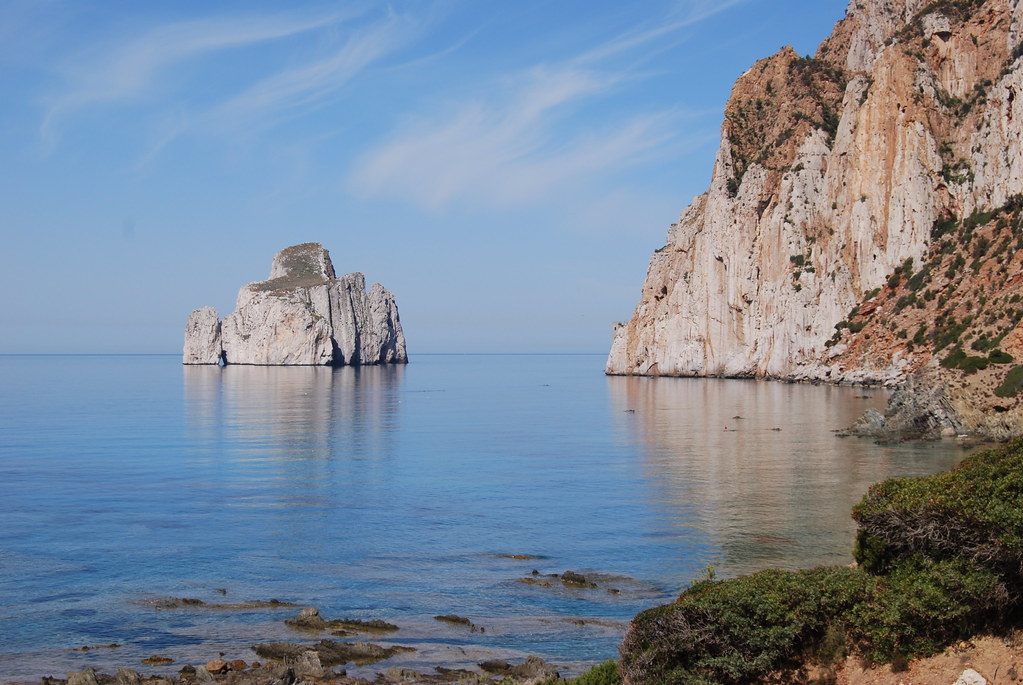
This massive limestone sea stack stands directly in front of the Porto Flavia cliff balcony. It rises 133 metres (436 feet) out of the sea, making it the highest sea stack in the Mediterranean. The best way to experience its scale and sea caves is on a guided Masua boat tour.
The geological formation consists of ancient Cambrian limestone. Climbers visit the rock to scale its sheer walls, whilst other travellers view it from Masua Beach or take a boat excursion to circle the base. The stack features two large natural arches that small boats can navigate through.
A spectacular, fjord-like bay situated north of Masua. The beach lies at the end of a deep inlet surrounded by white limestone cliffs. Historically, the cove served as a shipping point for minerals mined in the Buggerru area. It serves as a highlighted swimming stop on the Buggerru coastal dinghy tour.
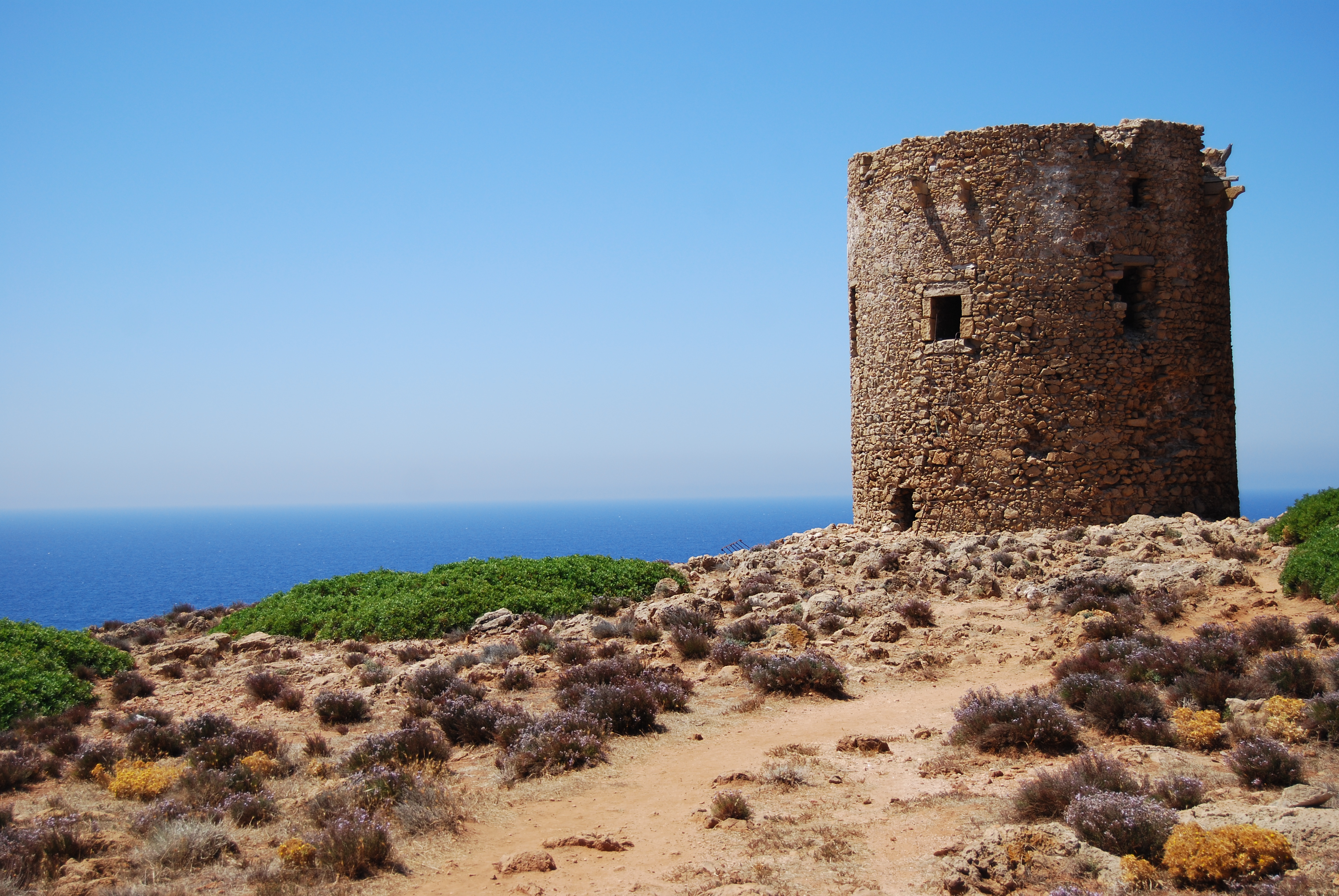
The main beach is sandy, with shallow waters that are ideal for swimming. A small foot tunnel carved into the rock on the right side of the beach leads to a secondary, secluded cove called La Caletta. The ruins of a Spanish watchtower stand on the headland, accessible via a steep coastal path.
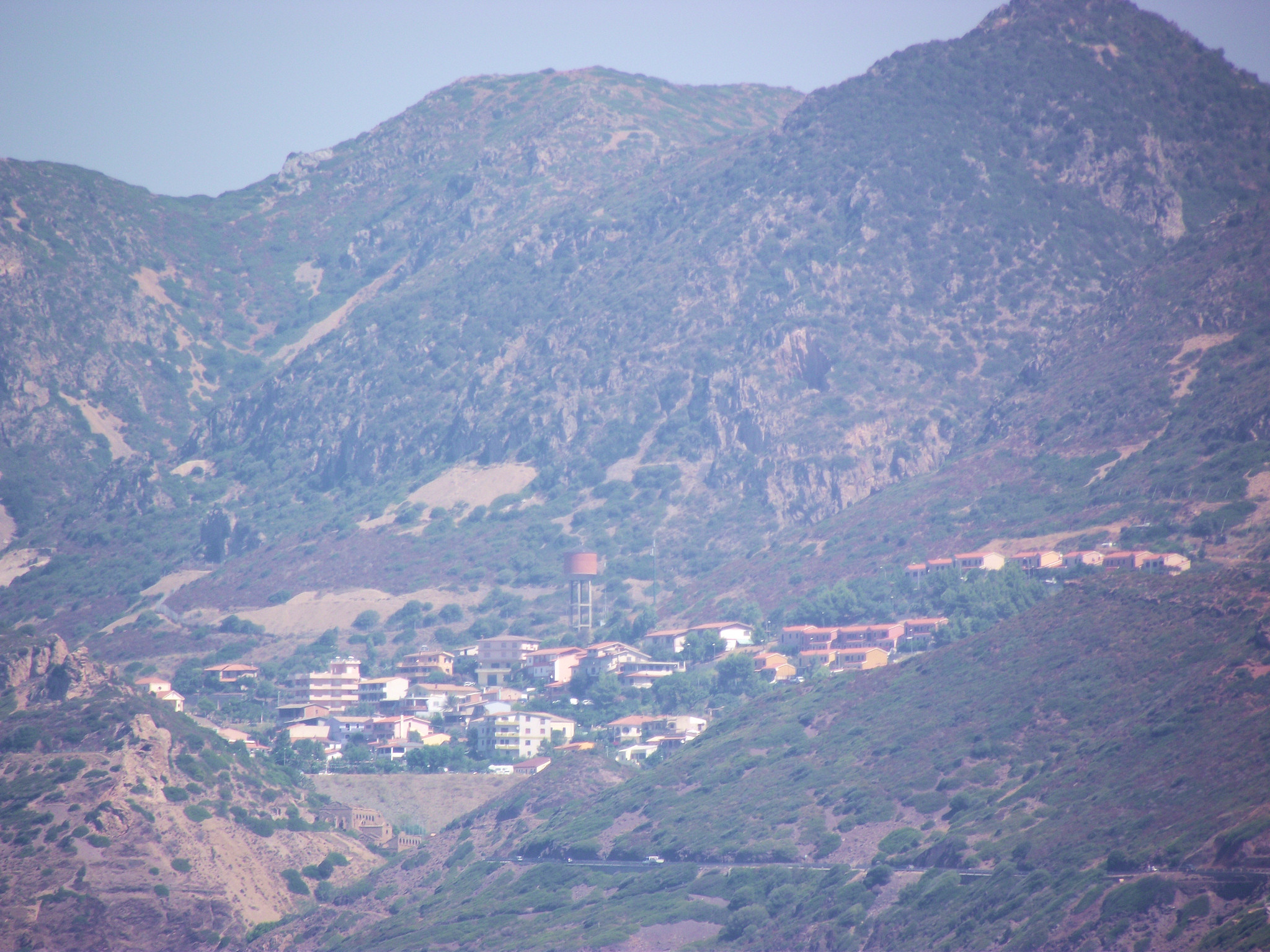
Nebida is a former mining village perched on the cliffs. It is famous for the Laveria Lamarmora, a historic mineral concentration plant built in 1897. The brick ruins of the plant cascade down the steep cliff face directly above the sea, showing four distinct terraces.
A scenic walking path, the Belvedere of Nebida, circles the headland, providing views of five coastal sea stacks, including the golden-colored Porto Banda stack. Accessing the Laveria ruins requires descending a flight of 400 concrete steps from the main path.
Distance: 0.2 km (0.12 miles) from ticket office.
These two adjacent sandy beaches lie directly below the mining tunnels. Masua Beach has shallow waters suitable for families, whilst Porto Cauli is popular with local surfers and has sunbed rentals and a beach cafe.
Distance: 15 km (9.3 miles) Inland.
A unique cave discovered inside the San Giovanni mine in 1952. The cave walls are covered with dark brown barite crystals and white stalactites, forming a subterranean chamber. Access is via a small electric mine train.
Distance: 5 km (3.1 miles) Trail.
A challenging section of the Cammino Minerario di Santa Barbara. The trail follows the cliff edge from Nebida to Masua, passing through mining ruins and scrub forest. Offers views of Pan di Zucchero stack.
Distance: 22 km (13.7 miles) to Portovesme Ferry.
A historic town founded by Ligurian coral fishers in the eighteenth century. Features a dialect similar to Genoese, narrow streets, and the Girotonno food festival in late May. Accessible via a 40-minute ferry ride.
Hidden deep inside the ancient San Giovanni mine near Domusnovas (15 km inland from Iglesias), the Grotta di Santa Barbara is widely recognized by speleologists as one of the oldest karst cavity systems on Earth, formed approximately 500 million years ago during the lower Cambrian epoch. Miners stumbled upon this subterranean wonder accidentally in 1952 while drilling an upward drainage shaft (known as a fornello). Instead of dense limestone, their drill bits punched through into a hollow vaulted chamber measuring over 50 meters in height.
Unlike typical limestone dripstone caves adorned with damp stalactites, the interior walls of Santa Barbara are completely encrusted with rare dark brown barite tabular crystals and snow-white coral-like aragonite formations. Visitors board an authentic narrow-gauge electric mine train that rattles 700 meters into the mountain interior before ascending an industrial lift shaft to reach the elevated wooden suspended walkways inside the cave chamber.
Admission: €15.00 adults, €12.00 reduced (youth 6–12 & seniors 65+). Free under 6.
Access: Guided tours only, departing every hour. Helmets provided at the mine entrance.
Pairing Tip: Combine Porto Flavia's sea tunnels in the morning with Santa Barbara in the afternoon for the definitive Sardinian mining heritage circuit.
Carved high into the sheer limestone cliffs above the fishing port of Buggerru in 1865, the Galleria Henry was an audacious feat of 19th-century mining infrastructure. Stretching nearly one kilometer through the rock, this tunnel was built to accommodate a pioneering steam locomotive that transported zinc and lead ore directly from the subterranean Malfidano mine shafts down to the coastal sorting washhouses.
Today, visitors ride a vintage open-sided electric train through the illuminated main tunnel before embarking on a guided walking tour along the secondary mule galleries. These cliff-edge portals were punched directly out toward the Mediterranean, framing views of the sea crashing 50 meters below against the rugged Buggerru coastline. Combine this tour with a Buggerru dinghy excursion departing from the adjacent marina.
For outdoor enthusiasts, the southwestern Sardinian coastline is traversed by the renowned Cammino Minerario di Santa Barbara (CMSB), a 500-kilometer historical pilgrimage and hiking circuit divided into 30 distinct daily stages. Stages 18 and 19 cross directly through the coastal scenery surrounding Porto Flavia, tracing the exact trails, mule tracks, and abandoned narrow-gauge railways used by 19th-century miners.
Distance: 5.2 km (3.2 miles) | Duration: 1 hour 45 minutes | Difficulty: Moderate
Depart from the panoramic Belvedere di Nebida, descending past the Laveria Lamarmora washhouse before contouring the clifftops of Punta dell'Agusteri. You will pass crumbling dynamite magazines, abandoned air ventilation shafts, and scenic overlooks framing Pan di Zucchero from the south before descending directly onto Masua Beach.
Distance: 8.6 km (5.3 miles) | Duration: 3 hours 15 minutes | Difficulty: Strenuous
From the Porto Flavia ticket booth area, this challenging coastal trail climbs sharply toward the clifftop ridge of Monte Nai before dropping into the wild geological fjord of Canal Grande. Hikers pass the monumental Grotta delle Spigole sea cave before reaching the white sand dunes and Spanish defensive watchtower of Cala Domestica.
Vital precautions to keep your day trip along the Iglesias mining coast seamless and safe.
Descending the 400 concrete steps to the water's edge at Nebida is deceptively easy. Climbing back up under the midday sun requires significant cardiovascular stamina. There is no shade, no water station, and no elevator. Carry at least 1 liter of fresh water per person.
Cala Domestica features a paid parking area (€5 half-day, €10 full-day). Like Masua, cellular reception drops off completely behind the limestone headland. Set your GPS navigation and download digital boarding vouchers before departing Iglesias or Nebida.
Under Sardinian Regional Law no. 16/2017, taking sand, quartz pebbles, sea shells, or mineral fossils from beaches around Masua, Porto Cauli, or Cala Domestica incurs severe administrative fines of €500 to €3,000, strictly enforced by airport customs and forestry carabinieri.
Official mine interior tunnel tickets have strict daily caps and frequently sell out weeks ahead in peak season. Compare verified excursions with English-speaking guides, cliffside boat tours, and free 24-hour cancellation.
For scenic coastal routes traversing the cliffs above Pan di Zucchero, browse vetted Cammino Minerario hiking itineraries.